
Some people at work are never the main character in the final presentation. They do not close the biggest deal, lead the product demo, or debug the hardest issue. But when they are away for a few days, the gaps begin to show: meetings feel tenser, information breaks, calendar invites are missing context, documentation stops moving, small tasks remain unclaimed, and the team realizes that part of its rhythm had been carried by someone quiet.
Reading about Zhu Bajie, Sha Wujing, and the White Dragon Horse in the Journey to the West material, I do not want to reduce them to a simple ranking of who is useful and who is not. Each represents a different kind of value inside a team. Some value is easy to see because it resolves crisis. Some value becomes visible only when it disappears. Work is the same: not every contribution shines in the same way.
Zhu Bajie is often remembered for appetite, complaints, and the temptation to turn back. But from another angle, he is the person who keeps the air from freezing. In a tense team, someone who can make the room breathe, ask the awkward question, or soften a difficult retro can be genuinely useful. Not because work should become a joke, but because people still need room to be human when pressure has lasted too long.
At work, a Zhu Bajie type might be the teammate who makes lunch less awkward after a tense morning, asks the question everyone else is afraid to ask, or keeps a retrospective from becoming a courtroom. They may not be the deepest specialist, but they soften relationships. A team full of sharp and fast people with no one who can ease the atmosphere may look effective on paper and still wear itself down from inside.
Of course, warmth does not replace responsibility. Zhu Bajie also reminds me that a person who improves the mood still has to carry their part. In an office, if someone is funny but keeps pushing hard work to others, their charm loses value. The best humor does not make teammates pay for it with their workload.
Sha Wujing is a different lesson. He is steady, loyal, quiet, and dependable. Many teams appreciate this kind of person. But the material raises a difficult warning: honesty and diligence may not be enough if the value created is too easy to replace. I think this should be read kindly, not judgmentally. No one should be dismissed because they are not loud. But each of us still needs to ask whether our contribution is growing over time.
A diligent teammate who writes meeting notes well is valuable. But if years pass and they still only record what others decide, without turning notes into action items, naming open risks, or connecting repeated questions, they may get stuck in a replaceable support role. A support teammate who is always polite and punctual is valuable. But if they do not learn the product deeply, classify root causes, or help reduce repeated tickets, their work may be seen more narrowly than the effort they truly give.
The lesson from Sha Wujing is not to become louder. It is to make steadiness deeper. If you are the person who keeps operations running, learn to see patterns. If you own documentation, turn it into a better onboarding system. If you support the team, learn to prevent problems earlier instead of only reporting that they have happened. Quiet work can still become strong work when its capability becomes clearer.
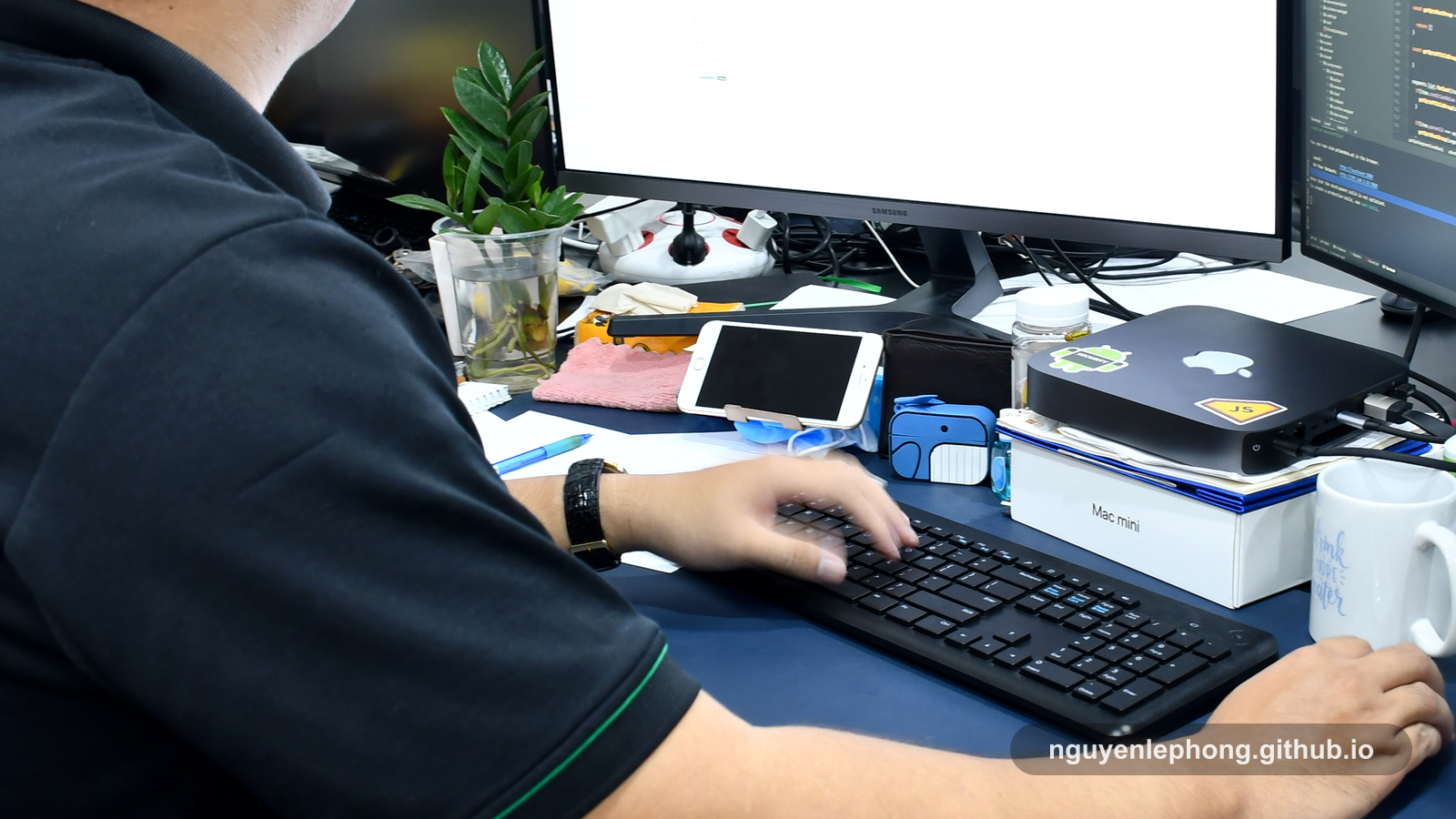
The White Dragon Horse makes me think of infrastructure. In a company, infrastructure is often ignored when it works: servers stay up, CI runs, shared drives are organized, payroll arrives on time, laptops are ready, the internet is stable, and the office is calm enough to work in. Infrastructure people are often remembered only during failure. But without them, the visible performers cannot perform for long.
I once saw an engineering team change its rhythm because someone quietly reduced the build pipeline from forty minutes to twelve. No one applauded every day, but the whole team saved hundreds of hours of waiting. An office admin who standardizes equipment setup for new hires may not be called innovative, but onboarding becomes much less messy. Contributions like these are White Dragon Horse work: quiet, steady, and essential to the road.
This note makes me want to look at teams more fairly. Do not only notice the person who appears during rescue moments. But also do not romanticize quiet work so much that growth disappears. A healthy team needs people who ease tension, people who keep operations steady, people who maintain infrastructure, and people who handle crisis. And wherever we stand, perhaps the useful question is this: is the value I create becoming clearer, deeper, and harder to replace year after year?