
In a long project, some days begin almost too normally: a fifteen-minute standup, a few unfinished tasks on the board, one blocker in the project channel, a stakeholder asking for an update, and someone reminding everyone that the deadline will not disappear by itself. That atmosphere makes me think about Journey to the West in a very workplace way. The pilgrimage is not only an adventure story. It also looks like a project team moving through a long stretch of uncertainty.
If we set aside the literary layer for a moment, the structure is familiar. There is a long-term objective. There are sponsors and distant protectors. There is someone holding the mission. There is someone strong in crisis. There is operations work. There is infrastructure. There are repeated blockers. And there are moments when escalation is necessary because the local team does not have enough authority or information to solve the root cause.
Many workplace projects feel like this. A large migration, a new product, a process transformation, an internal restructuring. At the beginning, the story sounds bright: the goal is clear, the plan looks reasonable, and everyone believes the road will hold. A few sprints later, reality appears. Requirements shift, customers react differently than expected, dependencies get stuck, someone goes on leave, a production bug pulls the team away from the roadmap. The eighty-one trials in the story can be read as reality checking whether the team can truly coordinate, not merely plan.
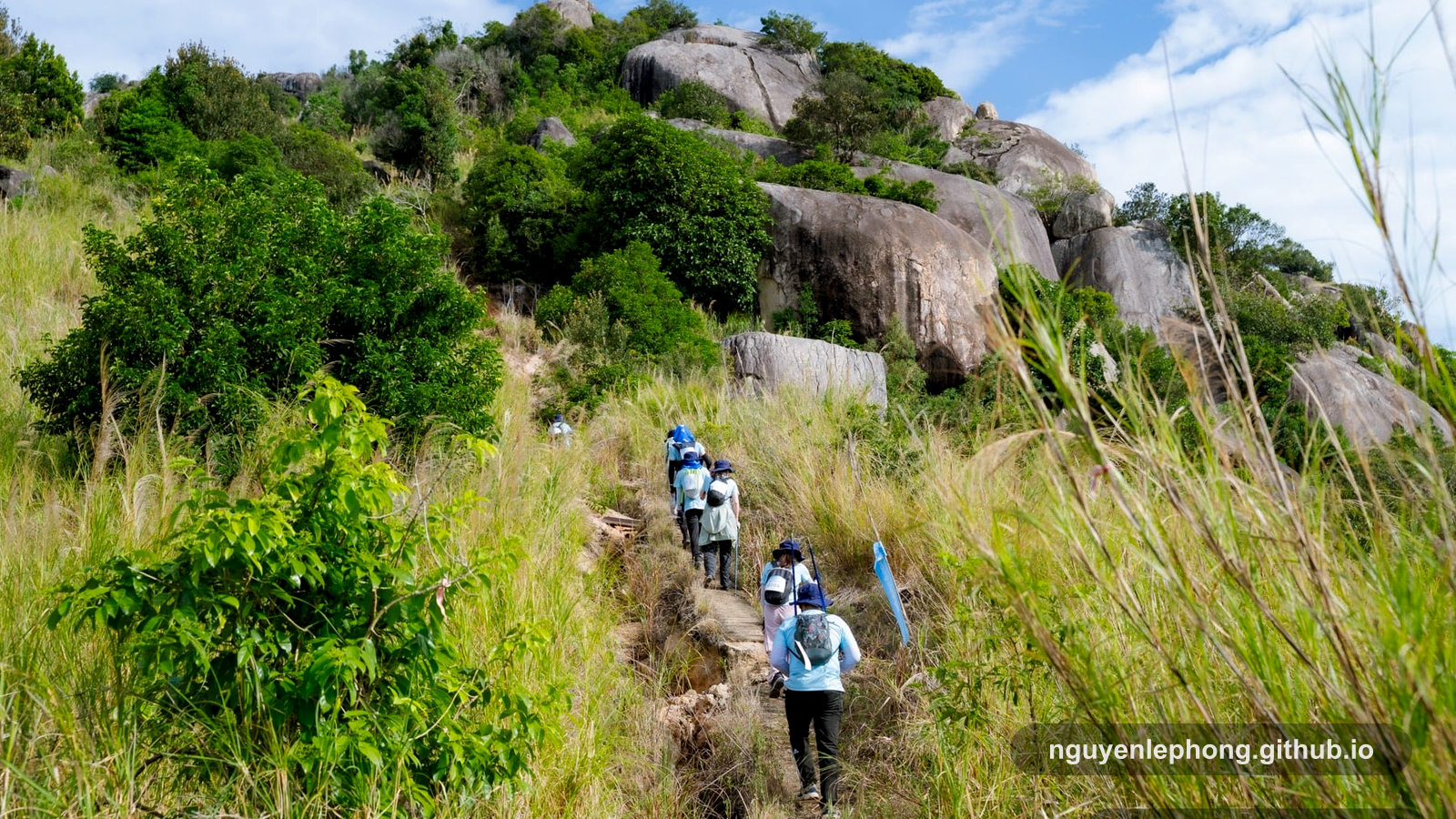
What I like about the project-team lens is that it reduces the fantasy that a good team must be made of perfect people. Tang Sanzang has vision but is weak in crisis. Sun Wukong is brilliant but impulsive. Zhu Bajie lightens the mood but loses motivation easily. Sha Wujing is steady but rarely breaks through. The White Dragon Horse is quiet but carries the operating base. A real team is not very different: a technical expert may not be strong with stakeholders, a good communicator may not solve root cause, a steady operator may not create breakthroughs, and a visionary may not understand every detail of execution.
A lasting team is not strong because everyone is round. It is strong because each person’s uneven shape is placed near someone else’s strength. If Tang Sanzang had to fight every demon alone, the project would fail. If Sun Wukong owned the whole mission alone, the project might move fast and drift off course. If there were only Zhu Bajie, the team might have warmth without enough force. If there were only Sha Wujing, the team might be stable without opening the path. Without the White Dragon Horse, everyone’s determination would still move more slowly.
The incident pattern in the material is also easy to recognize. A blocker appears, the project holder is stuck, the lead problem-solver jumps into hotfix mode, the team opens an emergency thread, someone asks whether rollback is safer, and eventually the issue gets escalated to someone with more authority to address the real cause. This happens often in companies. A bug cannot be fixed because the issue is in a vendor system. A decision cannot close because the sponsor is missing. A customer is angry not only because a feature broke, but because the contract promised the wrong thing. If the team only fights the visible symptom, the problem returns in another form.
Good escalation is not dumping responsibility upward. It is knowing when a problem has moved beyond the authority or capability of the current team. A strong engineer can fix code, but cannot rewrite a contract alone. A strong PM can coordinate a timeline, but cannot personally resolve a strategic conflict between departments. A support lead can calm a customer, but if the product keeps creating the same error, someone with roadmap authority must act. Knowing when to escalate is a mature skill, not a sign of weakness.

I also think the story reminds us that long projects shape character. Not in a grand way, but in a very ordinary one: the impatient person learns to pause, the discouraged person learns to continue, the vision holder learns to listen to execution, and the quiet person learns to create clearer value. A difficult project does not only deliver an output. It reveals how each person behaves under pressure.
I often notice this after a hard release. Someone begins reporting risk before the sprint review instead of after the deadline slips. Someone learns not to merge when exhausted. Someone stops treating stakeholders as interruptions because they understand that pressure also comes from another side. Someone realizes they cannot only receive tasks; they need wider context. After each hard stretch, a team either grows a little or merely becomes more tired. The difference is whether it can look back calmly enough to learn.
This note makes me think that a good project team does not need to romanticize teamwork. Real teamwork is often messy: someone complains, someone gets heated, someone goes quiet, someone rescues, someone carries the bags, and someone keeps the road. What matters is that the group still has a shared direction, a way to coordinate when blockers appear, and a way to learn after stumbling. For any team on a long journey, the useful question may not be who is the most perfect, but which role is missing, which boundary is unclear, and what the last trial taught us so the next one does not simply repeat.