
People use the phrase feng shui in many different ways. Home buying becomes emotional very quickly because the decision is not only about walls. It touches safety, family expectations, pride, commute, future plans, and the hope of finally having a place that feels stable.
The most useful version is grounded in daily comfort: light, air, noise, movement, privacy, and habit. That emotional weight is exactly why the process needs structure. A buyer should slow the decision down enough to see the legal, financial, location, quality, and lifestyle parts separately.
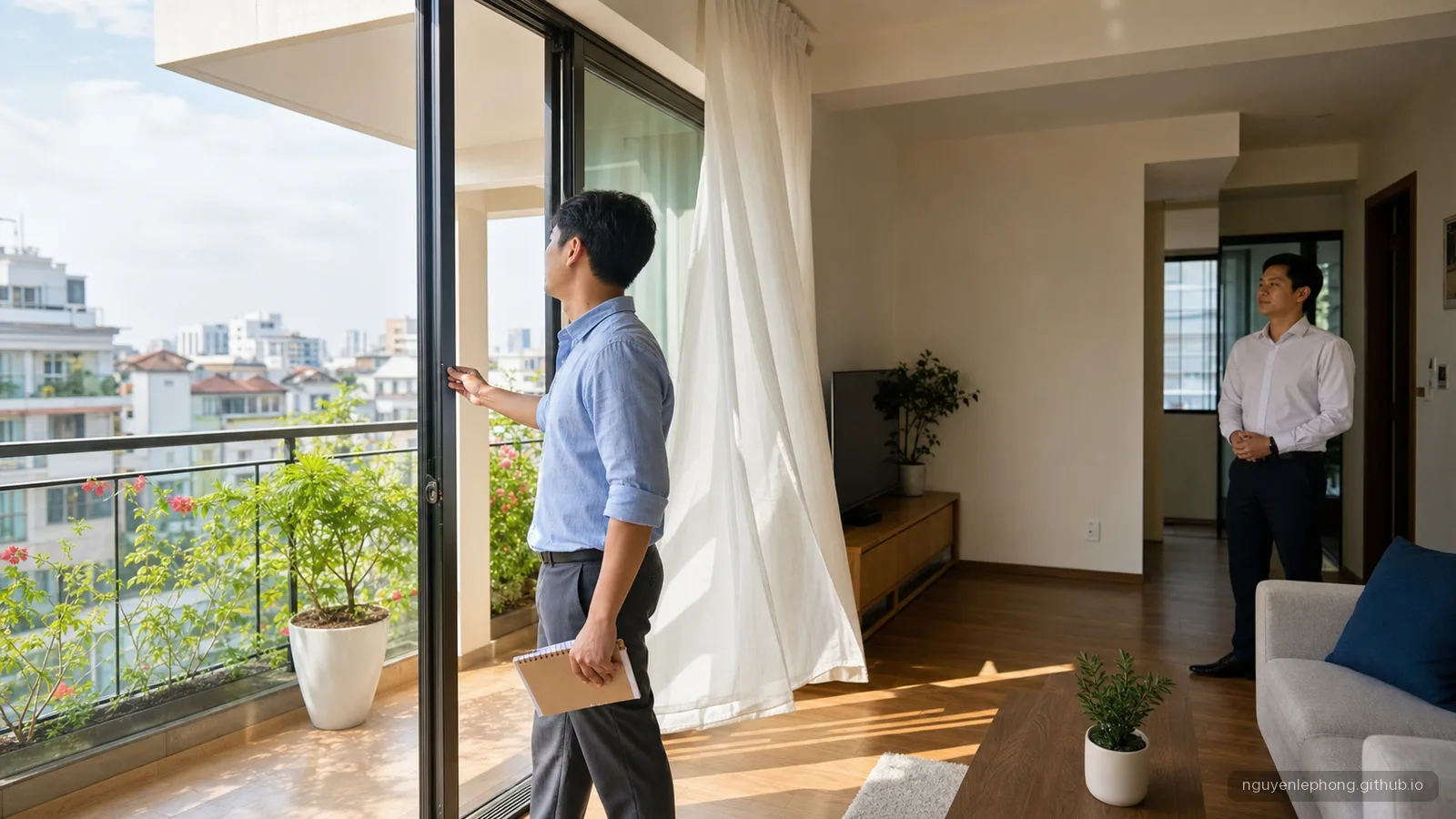
Orientation, heat, glare, ventilation, humidity, bathroom placement, kitchen flow, entrance, and surrounding noise should be noticed. None of these checks are glamorous, but they protect the buyer from treating a large commitment like a weekend purchase. A home can be improved later, but some mistakes become expensive because they are hard to reverse.

A home can look attractive in photos but feel tiring if light, air, and movement do not support daily life. There is rarely a perfect option. A better location may cost more, a larger space may increase commute time, and a lower price may come with repair or legal risk. The point is to choose the trade-off consciously.
Visit the place at different times and imagine real routines rather than only the first impression. It helps to write down the non-negotiables before viewing too many places: budget ceiling, loan comfort, legal requirements, location limits, repair tolerance, and the minimum buffer left after purchase.
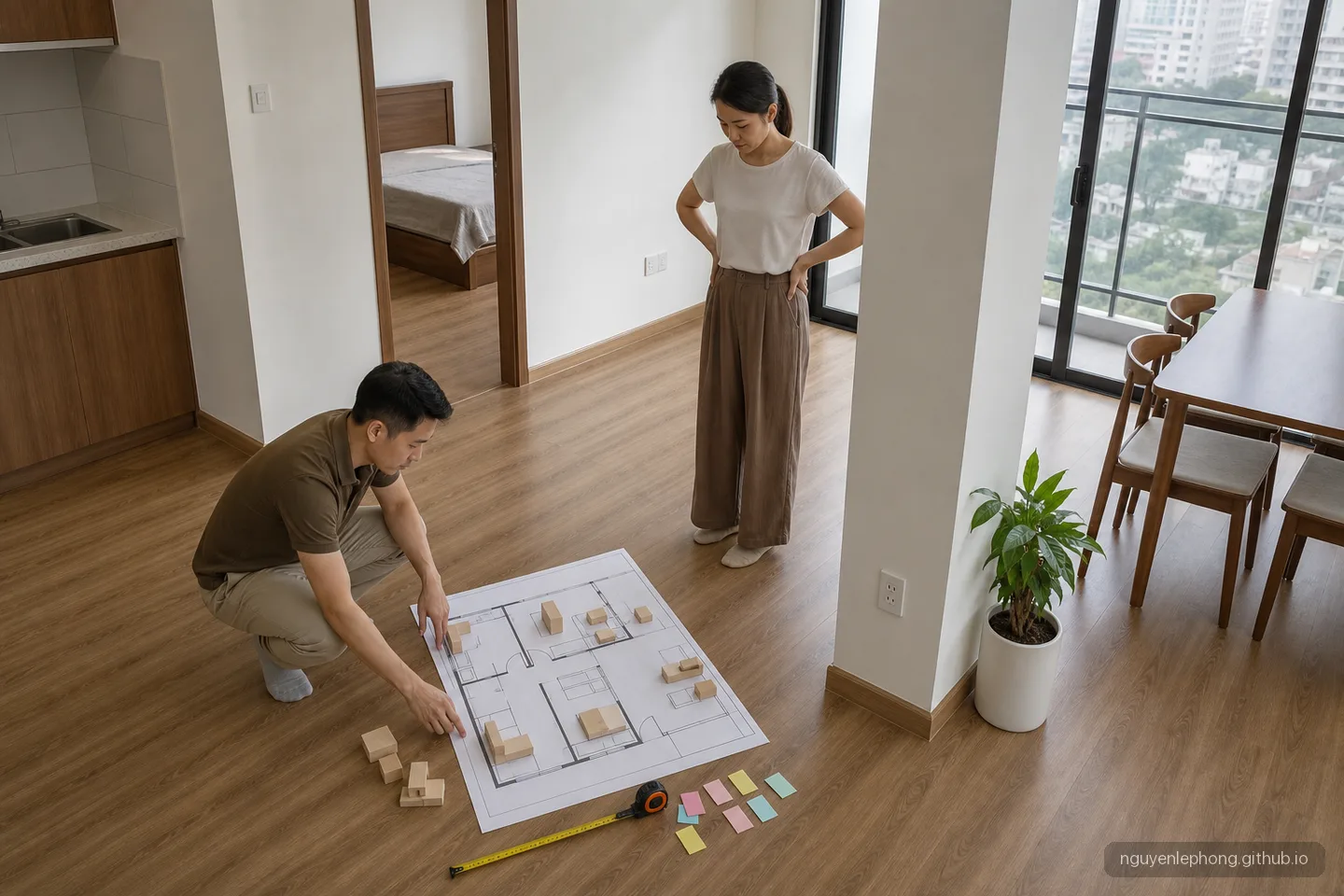
The simple question is whether this place helps the household live with more ease over ordinary days. A good home decision should still feel calm after the excitement fades. That calm comes from evidence, not from pressure.