
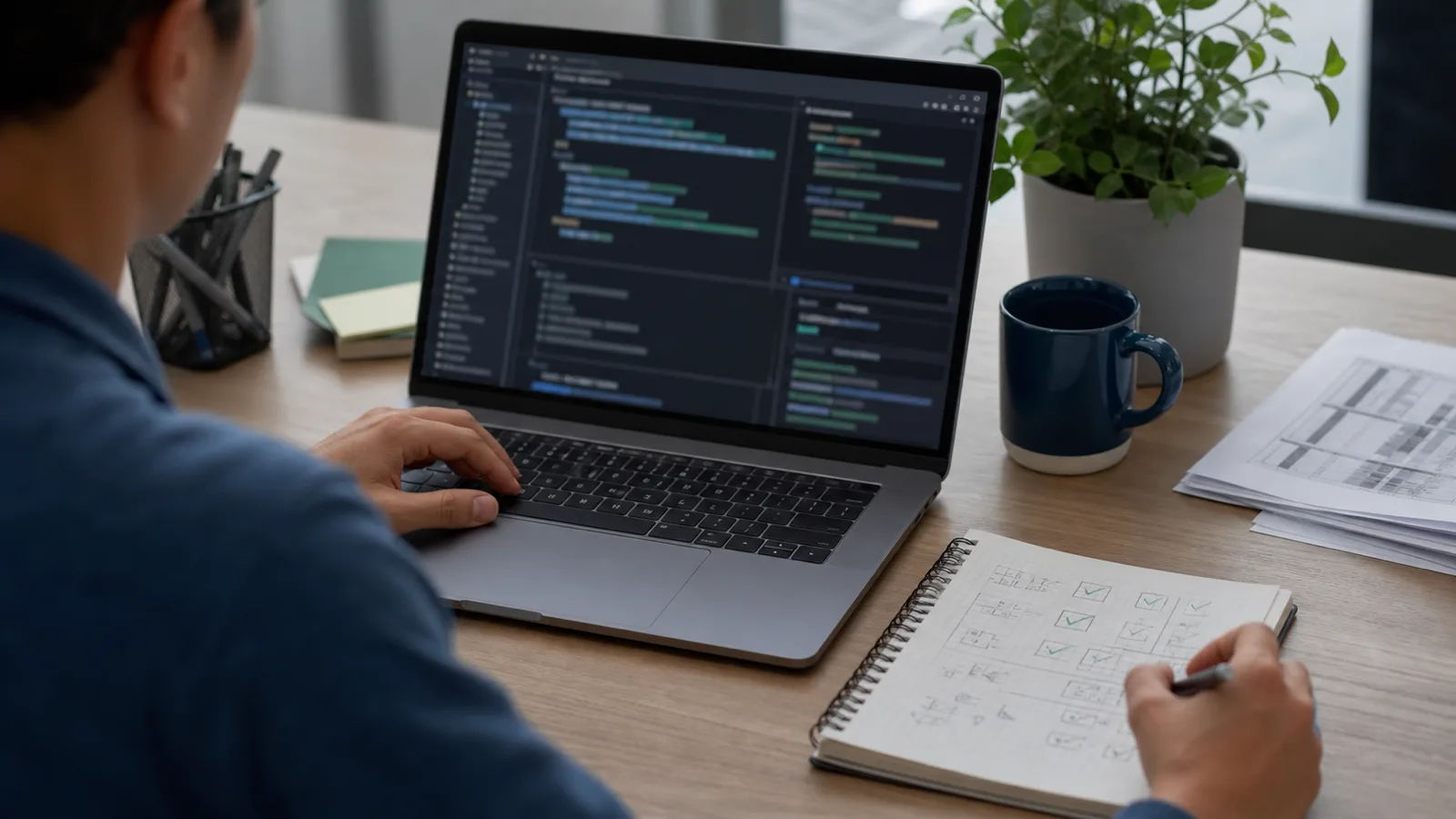
The AI suggestion looked confident. It named the bug, proposed a small patch, and even explained why the old code was wrong. For a few seconds, the answer felt finished. Then the engineer did the less exciting thing: opened the source file, ran the test, checked the log line, and compared the explanation with what the system actually did.
This is where AI tools are most useful and most risky at the same time. They make it easier to start. They can summarize a code path, suggest a test case, translate a vague bug report into hypotheses, and notice patterns we might miss when tired. But the fluency of the answer can make us forget that fluency is not the same as truth.
Using AI well starts with changing the role we give it. If we treat it as an oracle, we will ask for conclusions and then spend our energy defending them. If we treat it as a review partner, we can ask for options, assumptions, missing evidence, and likely failure modes. The second mode is slower at first, but it keeps judgment in the hands of the person responsible for the change.
A simple habit helps: always ask what would prove the answer wrong. If the tool says a condition is impossible, look for the call site that might make it possible. If it says a migration is safe, ask which data shape would break it. If it explains a production symptom, compare the explanation with timestamps, metrics, and user reports. The point is not to distrust every answer. The point is to keep the answer connected to evidence.
AI is also good at producing language that hides uncertainty. It can turn a weak guess into a polished paragraph. Engineers need the opposite skill: turning polished guesses back into inspectable claims. Which file was read? Which test would fail? Which input matters? Which behavior is product truth, and which behavior is only an implementation detail? These questions make the work less magical and more reviewable.
The best results often come from a small loop. Ask AI to map the code path. Verify the path yourself. Ask for edge cases. Convert the useful ones into tests. Ask for a patch. Read the patch as if a teammate wrote it under pressure. Then run the system. The tool accelerates movement, but each step still has a human checkpoint.
This matters beyond correctness. When we outsource judgment, we also outsource learning. We may ship a fix, but we do not build the mental model that helps with the next issue. When we use AI as a partner, the explanation, the code, and the evidence become material for our own understanding. The team gets both speed and stronger shared knowledge.
There is no shame in accepting help from a tool. The question is whether the tool makes us more attentive or less attentive. A good AI workflow should leave a trail: what was assumed, what was checked, what changed, and why the final decision belongs to the team. If you have found a small habit that keeps AI-assisted work grounded, I would be glad to learn from it.